

The Denim Edition


Welcome to the very first instalment of Sew & Tell, our new weekly edit landing every Wednesday. Inside you’ll find sewing tips, clever tricks, inspiration for when your sewjo is hiding, and plenty of answers to your burning questions.
Each week, we’ll spotlight one question from our community - so if there’s something you’ve been wondering about your sewing projects, just get in touch and let us know. Everything we share is designed to help you sew with more confidence.
For our first edition, we’re diving into denim and trust me, there’s a lot to share!

✂️ Tip of the Week: Choosing the Right Needle for Denim
Denim is a versatile and durable fabric, but sewing it successfully starts with the right needle. Using the wrong one can lead to skipped stitches, broken threads, or uneven seams.
There are two main types of denim you might work with:
1. Woven Denim
Classic, non-stretch denim.
Great for structured garments like jackets, skirts, and trousers.
Best sewn with jeans or denim needles, which are designed to pierce multiple layers cleanly.
2. Stretch Denim
Denim blended with a small amount of elastane.
Perfect for leggings-style jeans, fitted skirts and dresses anything that need a little give.
Best sewn with stretch or ballpoint needles to protect the fabric and allow it to move with your stitching.
Tip: Every fabric behaves differently, and sometimes the “obvious” needle isn’t the best. Don’t be afraid to try different needles on a scrap piece - you might be surprised which gives the best finish.
🧵 This Week’s Make Inspiration: Charcoal Woven Denim
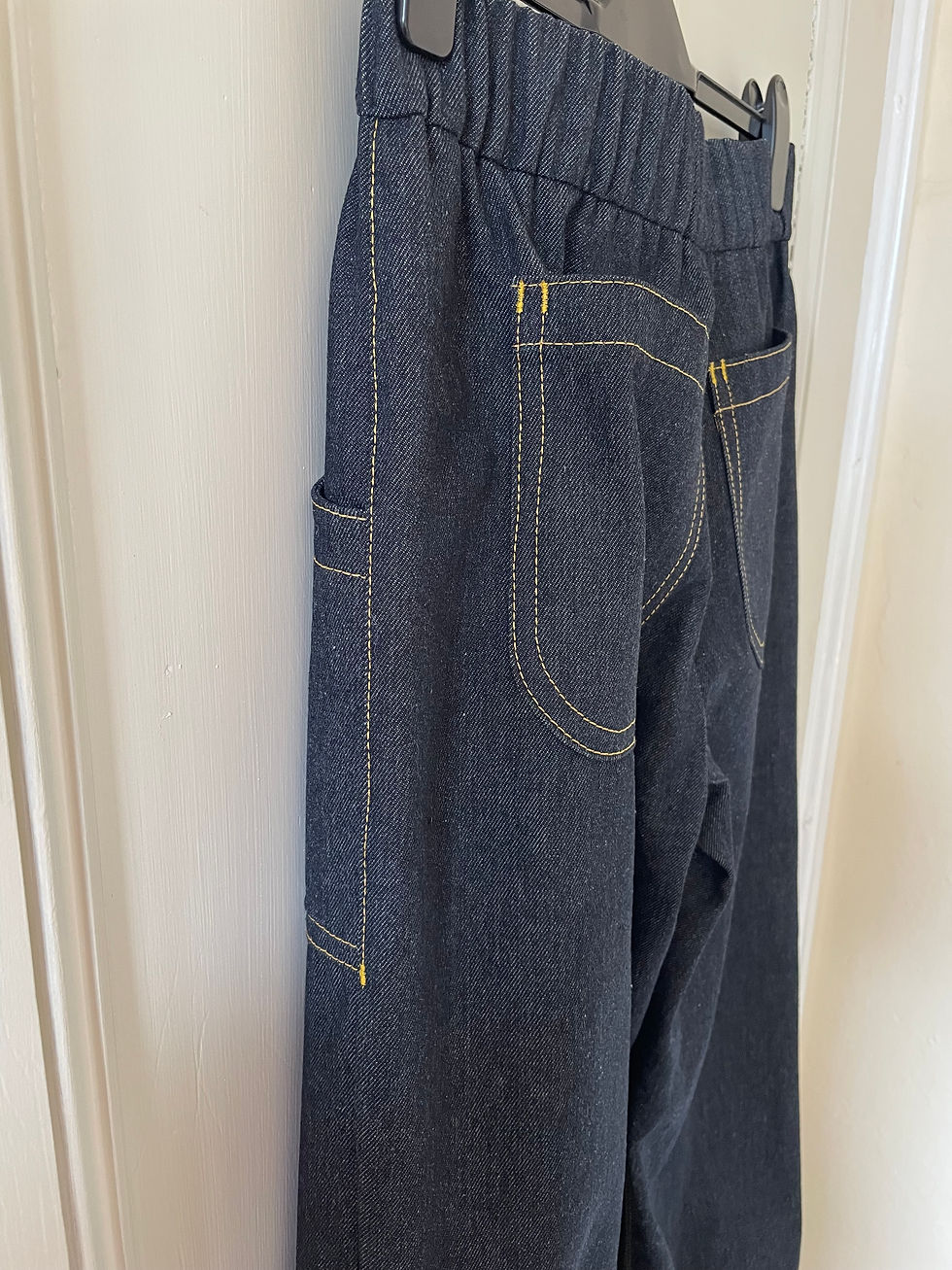
We’re loving our new 9.5oz charcoal black woven denim this week! It washes beautifully, is lovely and soft, and comes on an extra-wide 192cm roll, giving you more fabric for your money. It’s easy to sew and versatile enough for a wide range of projects.
This week, we made a denim version of the Chanterelle Pants, sewing them jeans-style with contrasting topstitching, a fun way to explore this fabric’s texture and colour.
Patterns that would work beautifully with this denim include:
This denim is ideal for everyday trousers, casual jackets, shackets, skirts, and pinafores, giving garments a classic denim look with a soft, wearable feel.
⭐ Student Make of the Week
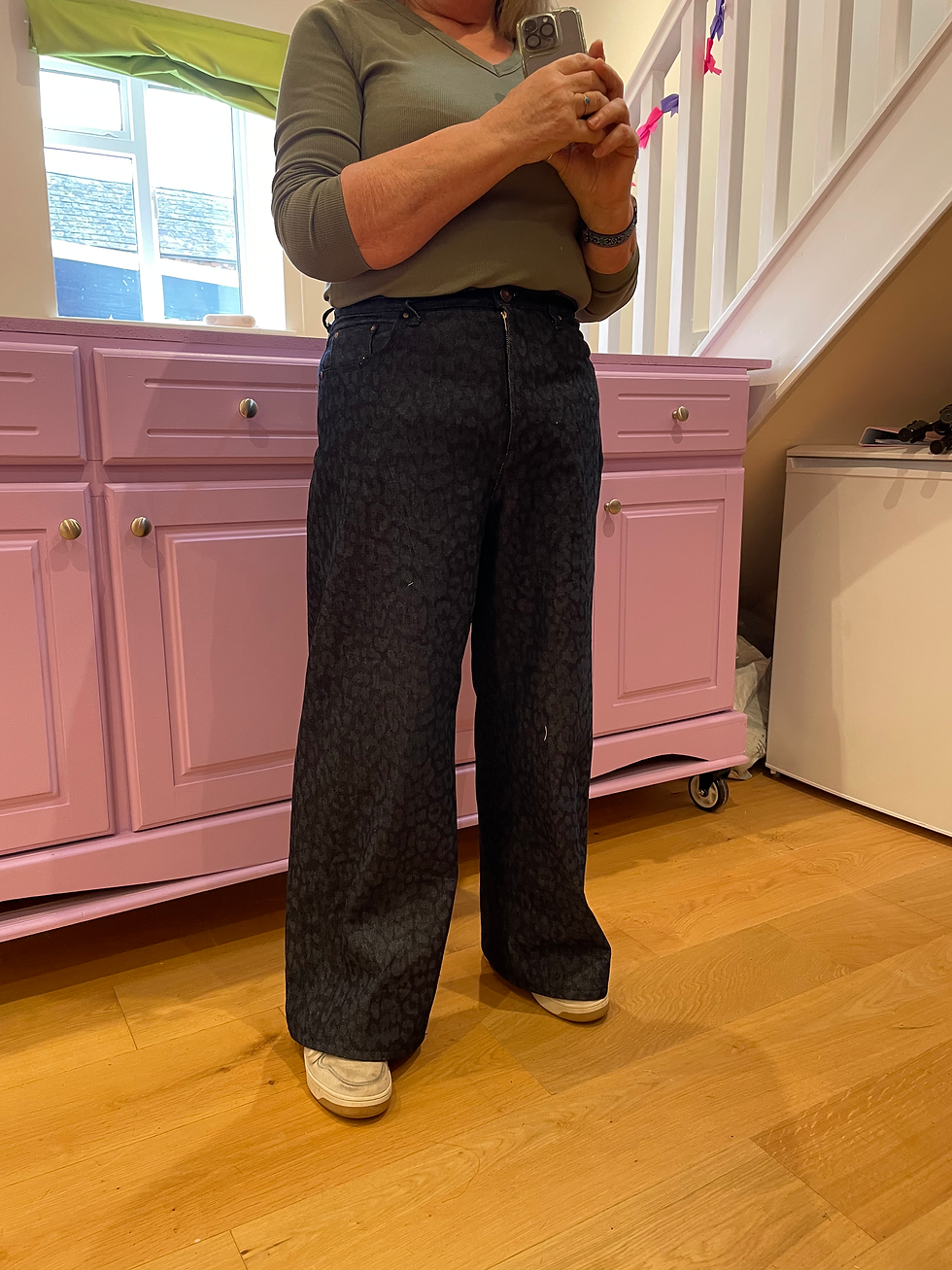
This week we’re celebrating Gillian and her progress in our Make Your Own Clothes class. She’s been working hard on perfecting the perfect pair of jeans, learning how to fit and adjust as she goes.
Through a series of fit sessions, we’ve worked together to amend her original Anna Allen Helene Jeans paper patternso it fits her body perfectly. Now she has a pattern she can use over and over again to make more jeans with confidence.
Her latest pair is made from the fabulous Fabric Godmother Leopard Print Denim - just look at how professional they turned out!
It’s a brilliant example of how practice, patience, and guidance can turn a complex garment like jeans into a wardrobe staple that fits beautifully and you can absolutely do this too!

🛠 Tool We Love: The Vario Tool
Our studio favourite for working with denim has got to be the Vario Tool! This nifty gadget makes installing jeans buttons and rivets a breeze.
Simply swap the attachments to match the part you’re installing, use the handle to press down, and you’re done - no more accidentally hammering your fingers trying to get buttons in place.
We keep one in the studio for anyone to use, but if you’d like your own, we can order one in for you.
🎥 See it in action: Watch the Vario Tool video here
It’s a game-changer for denim projects, perfect for tackling pants, jackets, and skirts with professional finishes.


❓ FAQ of the Week
This week’s question comes straight from our community WhatsApp group, it was too good not to share!
Q: Is it ok to topstitch with ordinary thread, or do I need topstitching thread?
A: It really depends on the effect you want to achieve, but here are our tips:
Contrasting topstitch thread looks best: Topstitching is meant to be seen, so using a thicker topstitch thread will give your stitches more definition. Ordinary “sew-all” thread tends to blend in, especially with a standard 2.5mm stitch length.
Adjust your stitch length: For a bold, professional finish, we usually set our stitch length to 4mm.
Bobbin setup: Load normal thread into your bobbin and use topstitch thread only on top.
Test first: Always sew a scrap first to check tension, stitch length, and see which colour contrast you like best.
❓ Got a sewing question you’d love us to answer? Share it with us - it might inspire next week’s email!
That’s it for this week’s Sew & Tell! I hope you’ve found a little inspiration, a handy tip, or a spark to get back into your sewing projects. Until next Wednesday, happy sewing! |
|
Rosie xxx |


Comments