

The Sewing Machine Edition


Welcome to Sew & Tell, our new weekly edit landing every Wednesday. Inside you’ll find sewing tips, clever tricks, inspiration for when your sewjo is hiding, and plenty of answers to your burning questions.
Each week, we’ll spotlight one question from our community - so if there’s something you’ve been wondering about your sewing projects, just get in touch and let us know. Everything we share is designed to help you sew with more confidence.
This week we are diving into sewing machines and trust me there's a lot to share!
✂️ Tip of the Week
These two tips are all about looking after your sewing machine and keeping it working smoothly - little habits that can make a big difference over time.
1. Always unthread your machine with the presser foot up
Did you know that the presser foot controls your top thread tension? When the foot is down, the tension discs clamp together. If you try to pull the thread out with the foot down, you’re dragging it through the tension discs, which can clog them over time. Always lift your presser foot before unthreading, your machine will thank you!
2. Make sure you’re using the right bobbin for your machine
Not all bobbins are universal! They come in different shapes, sizes, and materials (plastic or metal), and your machine needs the correct one. As a rule of thumb: if your bobbin shuttle is plastic, use a plastic bobbin; if it’s metal, you can use either plastic or metal but make sure it's the right size. Be careful with older style Singer dome-shaped bobbins, they’re often popped into modern machines by mistake and just don’t work properly. Using the right bobbin will keep your stitching smooth and your machine happy.

🧵 This Week’s Make Inspiration: Hemstitch Needles
Up until recently I had never even heard of a hemstitch needle, but now I’m completely obsessed! This nifty little needle has small wing-like sides that push the fibres of the fabric apart as it stitches, creating tiny holes that form a beautifully delicate decorative effect.
Just think of all the possibilities. I’m imagining little details along hems and cuffs, or decorative stripes or panels in a shirt or top. It’s one of those subtle details that makes a handmade garment feel really special.
Hemstitch needles work best on natural fibres like cotton or linen, especially fabrics with a looser weave, because the needle is pushing the threads apart rather than cutting them. They’re usually used with a simple straight stitch or decorative stitch, and slightly loosening the tension can help the holes open up nicely.
It’s such a simple tool, but it can create a really beautiful vintage style finish. I’m definitely going to keep experimenting with this one!

🧵 On the Cutting Table: The Rossi Dress
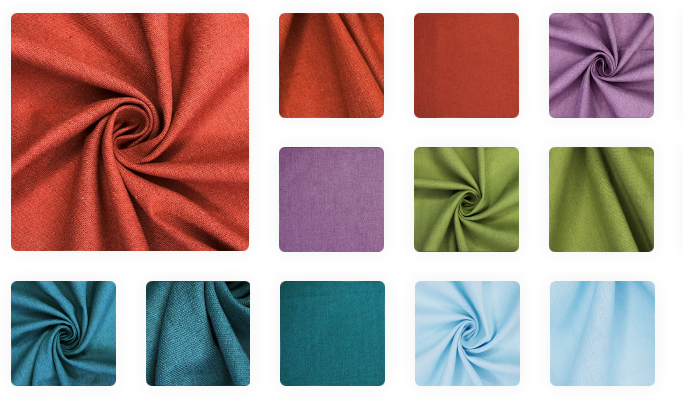
This week I’ve been sewing up a sample for our upcoming Sew the Perfect Summer Dress workshop, and it’s turned out just gorgeous! I made it using our linen mix fabric in the teal colourway, which was lovely to work with.
We currently stock this fabric in five colours: mauve, teal, rust, baby blue and olive (view here), but it actually comes in several other colourways too.
It’s 170 gsm, which makes it perfect for dresses, skirts, shirts and trousers. It’s a really great all-rounder fabric weight that works for a whole range of projects.


🛠 Sewing Machine Gadgets We Love
Magnetic seam guide – An amazing little helper to keep your seams perfectly straight. Stick it on your machine and say goodbye to wobbly seam lines!
Long handled tweezers – A game-changer if threading needles isn’t your favourite job. They give you extra control so you can poke the thread through easily,
Double Cone Holder – Lets you use big cones of thread on your domestic machine. Perfect for using up all those overlocker cones you’ve been saving!
Use of free will: Remember, your sewing machine storage box was designed for sewing supplies… but hey, sometimes you get to make your own rules.


⭐ Sewing Machine Spotlight: Janome J3-24 Sewing Machine
This week’s spotlight is the Janome J3-24, a brilliant starter sewing machine that’s simple to use but still packed with features to help you grow your sewing skills. If you’re just getting started, or looking for a reliable everyday machine, this one is a great place to begin.
Features include:
24 built-in stitch choices
Automatic 1-step buttonhole
Variable stitch length and width
Built-in needle threader
Quick foot conversion
Drop feed for freehand embroidery
Convertible free arm
Hard cover for protection
Special offer:
Now £269 (save £30)
Offer valid 16th–31st March 2026, while stocks last.

FAQ: I always seem to get loops on my seams when I’m sewing – what am I doing wrong?
Most people think it’s a tension problem when little loops appear on their stitch lines, but it’s hardly ever that. For most normal-weight projects, your machine tension should be set somewhere around 4, 5, or 6. What you’re describing usually comes down to threading. Nine times out of ten, your machine has been threaded incorrectly, either the top thread or the bobbin and yes, that’s often user error (don’t worry, it happens to all of us!). Occasionally the threads can jump out of place, especially if you’re using the wrong bobbin for your machine.
Here’s a handy little tip:
If loops appear on the underside of your fabric, it’s an issue with the top thread.
If loops appear on the top of your fabric, it’s the bobbin thread.
Think of it as the opposite, it’s easy to remember.
The quickest way to fix loops is to rethread your entire machine. A common mis-thread happens with top-loading bobbins: make sure the thread is going anticlockwise, then around the little metal hook on the bobbin shuttle. Do that, and those pesky loops should disappear.
❓ Got a sewing question you’d love us to answer? Share it with us - it might inspire next week’s email!
That’s it for this week’s Sew & Tell! I hope you’ve found a little inspiration, a handy tip, or a spark to get back into your sewing projects.
Until next Wednesday, happy sewing!
Rosie xxx


Comments